
Buying a home in 2026 can feel more complicated than ever. Home prices continue to rise, interest rates fluctuate, and online affordability rules often seem contradictory. Many first-time buyers ask themselves, “How much house can I really afford?” The answer isn’t just about what the bank says — it’s about what fits comfortably within your lifestyle and financial goals.
Even if a lender pre-approves you for a large mortgage, that doesn’t guarantee it’s the right choice. Hidden costs like taxes, insurance, HOA fees, and maintenance can quickly push your monthly expenses higher than expected. Understanding the full financial picture is crucial to avoid overstretching your budget and risking financial stress.
Start with Your Debt-to-Income Ratio (DTI)
A key starting point is calculating your debt-to-income ratio (DTI). This ratio measures how much of your gross monthly income goes toward debt payments, including your mortgage, car loans, student loans, and credit card debt.
Most lenders prefer a DTI under 36%, but lower is better. Here’s how to calculate it:
- Add up all your monthly debt payments.
- Divide the total by your gross monthly income (before taxes).
- Multiply by 100 to get your DTI percentage.
For example, if your monthly debts total $2,000 and your gross income is $6,000, your DTI is 33% — within the recommended range. A lower DTI gives you more flexibility to handle unexpected expenses.
Consider Your True Monthly Costs
Even if your DTI looks good, monthly mortgage payments aren’t the only cost of homeownership. You also need to account for:
- Property taxes — Usually 1–3% of your home’s value annually
- Homeowners insurance — $1,000–$2,000 per year on average
- HOA fees — Can range from $50 to several hundred per month
- Maintenance and repairs — About 1% of the home’s value annually
- Utilities — Water, electricity, gas, internet, and trash services
These costs can significantly increase your monthly outlay. For instance, a $400,000 mortgage with $2,000 in property taxes and $150 in HOA fees can push your monthly payment much higher than just the principal and interest.
Use a Mortgage Calculator
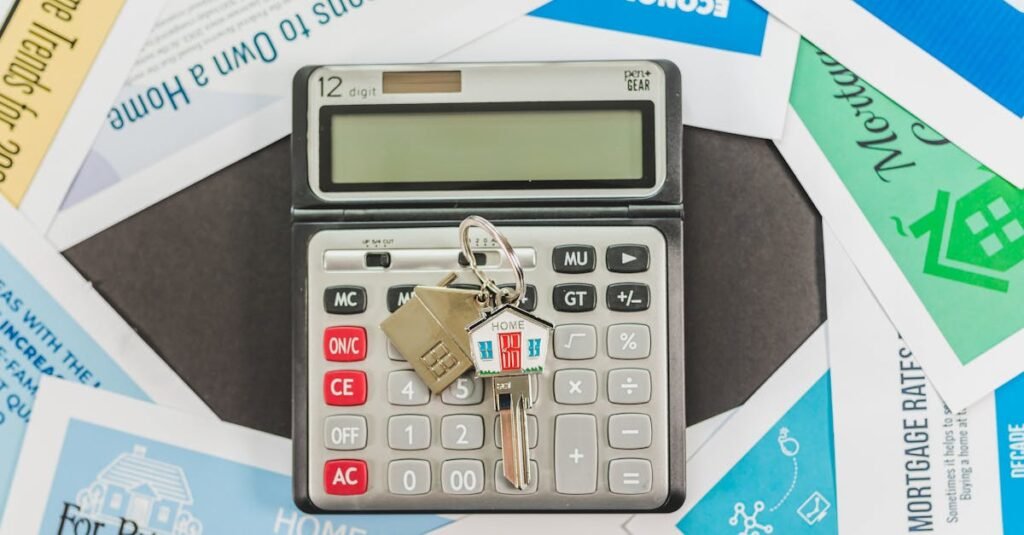
Before falling in love with a house, run the numbers through a mortgage calculator. Tools like mortgio.com are helpful because they show the full monthly breakdown — not just the loan payment.
By entering your home price, down payment, interest rate, and additional costs like taxes and insurance, you’ll see the real monthly payment and how it fits into your budget. This approach helps prevent the common mistake of buying more house than you can comfortably afford.
Seeing the full picture helps you decide what’s affordable for your lifestyle, not just what the bank approves.
Aim for Comfortable Payment Percentages
A general rule of thumb is to keep your mortgage payment between 25–28% of your gross monthly income. Staying within this range leaves room for:
- Emergency savings
- Retirement contributions
- Lifestyle expenses (food, travel, hobbies)
- Unexpected repairs or emergencies
For example, if your gross monthly income is $6,000, your ideal mortgage payment would be $1,500–$1,680. Anything higher could strain your finances and make it difficult to handle unexpected costs.

Factor in Down Payment and Closing Costs
The amount you put down upfront affects affordability. A larger down payment reduces your mortgage principal and monthly payments. Typical recommendations:
- 20% down — Avoids private mortgage insurance (PMI) and lowers payments
- 10% down — Common for first-time buyers, but may require PMI
- 5% or less — Increases monthly costs and usually requires PMI
Additionally, don’t forget closing costs, which typically range from 2–5% of the home’s purchase price. On a $400,000 home, that’s $8,000–$20,000 upfront. These costs can catch buyers off guard if they haven’t planned ahead.
Conclusion
Buying a home in 2026 requires careful planning. Rising prices and fluctuating rates make it more important than ever to calculate your true affordability, not just rely on what the bank says.
Start with your debt-to-income ratio, factor in all costs, use a mortgage calculator like mortgio.com, and aim for a payment that leaves room for savings and emergencies. By doing so, you can confidently choose a home that fits your financial reality and lifestyle, ensuring your purchase is a smart, sustainable investment.
Remember: affordability is more than a number—it’s a balance between your income, expenses, and long-term goals. See the full picture before you buy, and make your 2026 home purchase a financially secure one.